What is Neurofeedback?
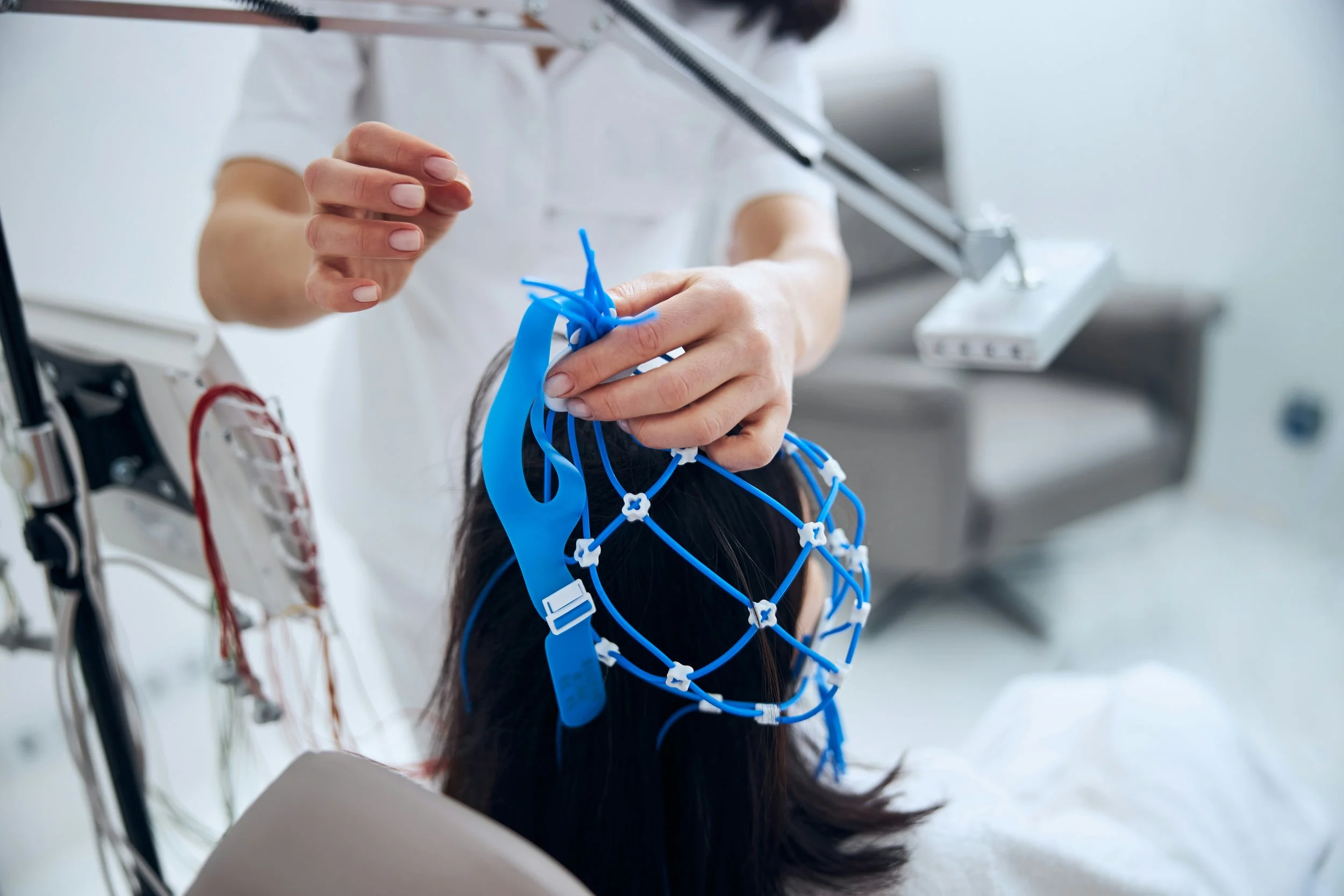
EEG biofeedback, also known as neurofeedback or brainwave training, is a non-invasive method that helps the brain learn from its own activity in real time. Using visual, auditory, and sometimes tactile cues, it provides immediate feedback so the brain can begin to recognize and shift its patterns toward more balanced, efficient functioning.
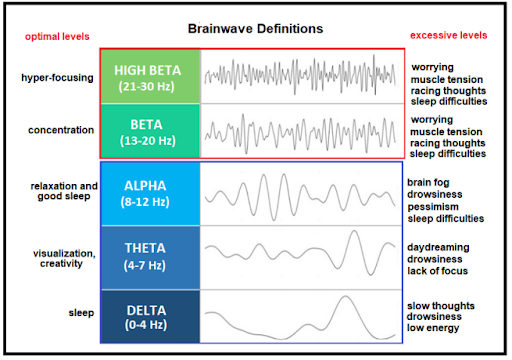
When brainwave activity becomes dysregulated, it can affect how you think, feel, and respond to your environment. These patterns show up differently for everyone. They may contribute to challenges with mood, focus, stress, sleep, addiciton, among many other experiences. Neurofeedback works to gently retrain these patterns, supporting improved self-regulation and overall brain function.
At its core, this process is grounded in neuroplasticity, the brain’s natural ability to change and adapt. With consistent feedback and reinforcement, the brain can develop healthier pathways, often leading to more stable mood, improved focus, and a greater sense of mental clarity.
Neurofeedback is safe and non-invasive, and it does not involve delivering any electrical current to the brain.

How It Works
Each session takes approximately 45 minutes. This includes discussion, setup, and 30 minutes of training.
EEG training is a gradual learning process and while subtle changes in symptoms can be noted early on during training, a certain amount of repetition is needed to achieve and sustain initial goals. Depending on how sensitive the brain is to this method, how quickly it responds to the training, and the symptoms we are targeting, this can be done in as few as 20 sessions or we might need 50 or more sessions to achieve the desired outcomes. Progress is monitored and tested along the way to maximize effectiveness.
Our Approach
01
We offer both Othmer Method Infralow Frequency (ILF) training and traditional amplitude-based neurofeedback training. Using information gathered during the intake process along with insights from your QEEG brain map we develop a personalized training plan tailored to your specific needs, symptoms, and goals.
02
In some cases, the brain patterns identified on the QEEG may suggest that certain underlying factors could be contributing to your symptoms. When this occurs, we may recommend that you explore possible medical, physiological, or lifestyle-related contributors with the appropriate healthcare professionals. These may include issues such as sleep disturbances, metabolic concerns, chronic stress patterns, medication effects, or other conditions that can influence brain regulation.
03
Our goal is to ensure that your neurofeedback training is integrated into a comprehensive, whole-person approach. By combining precise neurofeedback protocols with broader clinical insights, we aim to support more efficient self-regulation, improved resilience, and better overall functioning.

Who Can Benefit from Neurofeedback
Neurofeedback gently trains your brain to find balance and perform at its best. It’s a natural, noninvasive way to support well-being for all ages.
It can help:
Children struggling with nightmares, attention challenges, or behavioral issues
Teens and adults managing anxiety, depression, or substance misuse
Those seeking relief from migraines, chronic pain, or PTSD
Anyone looking to enhance clarity, creativity, and focus in school, work, or daily life
Think of it as a workout for your brain—helping you feel calmer, clearer, and more connected.
What To Expect
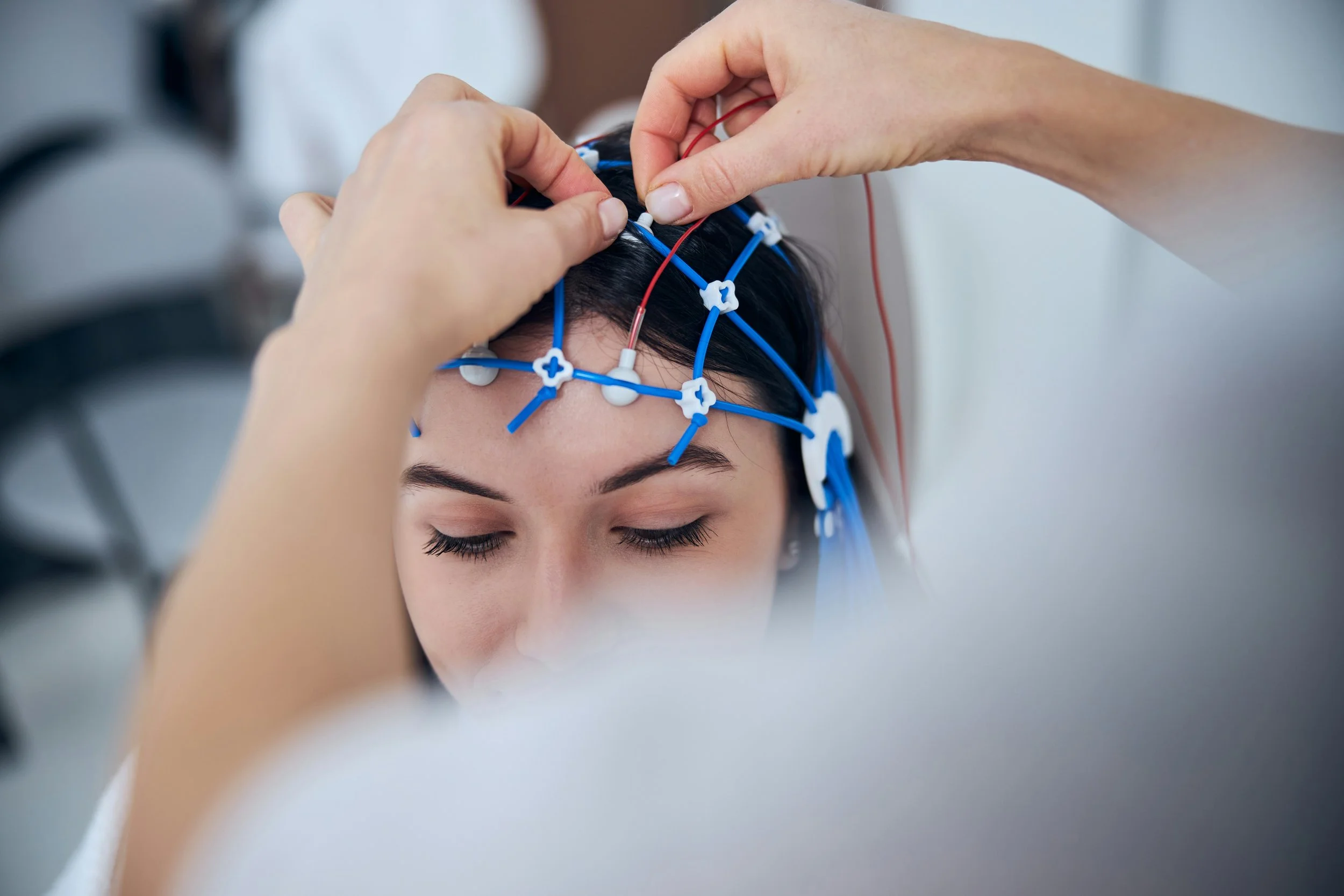
Neurofeedback is a gentle, noninvasive method that trains your brain to work more efficiently. Small sensors track your brainwaves while you watch or read, and the software provides subtle cues to encourage healthier patterns. Sessions last 30–40 minutes, with multiple per week recommended. Most people notice gradual improvements in focus, mood, sleep, or stress. Around session 15, we repeat your brain map to track progress and adjust your plan. Neurofeedback is generally well tolerated; some feel tired afterward, while others feel clearer and more energized.
Frequently Asked Questions
-
Neurofeedback can be helpful for a wide range of people, but the way each person benefits can vary. Some people notice changes quickly, while others experience more gradual improvements over a longer period of consistent training. Neurofeedback is generally best suited for individuals who are open to a process that involves regular sessions, ongoing feedback, and occasional adjustments to the training plan.
While many people can benefit, neurofeedback may not be the right fit for everyone. During your intake, we review your history, concerns, and expectations to help determine whether this approach is appropriate for you and to explore any alternative or complementary options that might better suit your needs.
-
Neurofeedback helps the brain learn healthier patterns, and once reinforced regularly over a period of time, many people maintain their improvements long-term. Some individuals choose ongoing or periodic sessions to continue to reinforce and sustain these benefits. Lifestyle factors, stress, and other changes can also influence how well the improvements are maintained, so occasional “tune-up” sessions can be helpful for long-term stability.
-
Neurofeedback does not treat or cure any specific medical or neurological condition. Instead, it trains patterns of brain activity, which may help some people improve focus, stress response, sleep, or day-to-day functioning.
Because it works by supporting the brain’s self-regulation, individuals with conditions such as brain injury, neurodegenerative disorders, such as Alzheimer’s or Parkinson’s disease, or genetically based conditions sometimes use neurofeedback as a complementary approach.
-
Neurofeedback is generally compatible with psychiatric or neurological medications, but because training can change brain activation and connectivity, it may alter how medications affect you. After a series of neurofeedback sessions, some patients find their medication works better, while others may need dosage adjustments. This happens because the brain you’ve trained may respond differently than before, so any changes in medication should always be supervised by a licensed physician. Careful monitoring during neurofeedback ensures both safety and optimal results.
-
In clinical contexts, "treatment" is often used for insurance and compliance purposes. However, "training" more accurately reflects the active role of the client.
-
It is possible to do neurofeedback while using substances, but they will interfere with or may slow your progress. The effects depend on factors such as the type of substance, how often you use it, your dosage, age, and overall health. Being open with your neurofeedback provider helps ensure your training is safe, effective, and tailored to your needs.
let’s get started
Schedule a Free Consultation
If you’re ready to explore whether neurofeedback or integrative care is the right fit for you, we’re here to help. Schedule a consultation to discuss your goals, ask questions, and learn how a personalized approach can support your brain and overall well-being.