What is Brain map / QEEG?
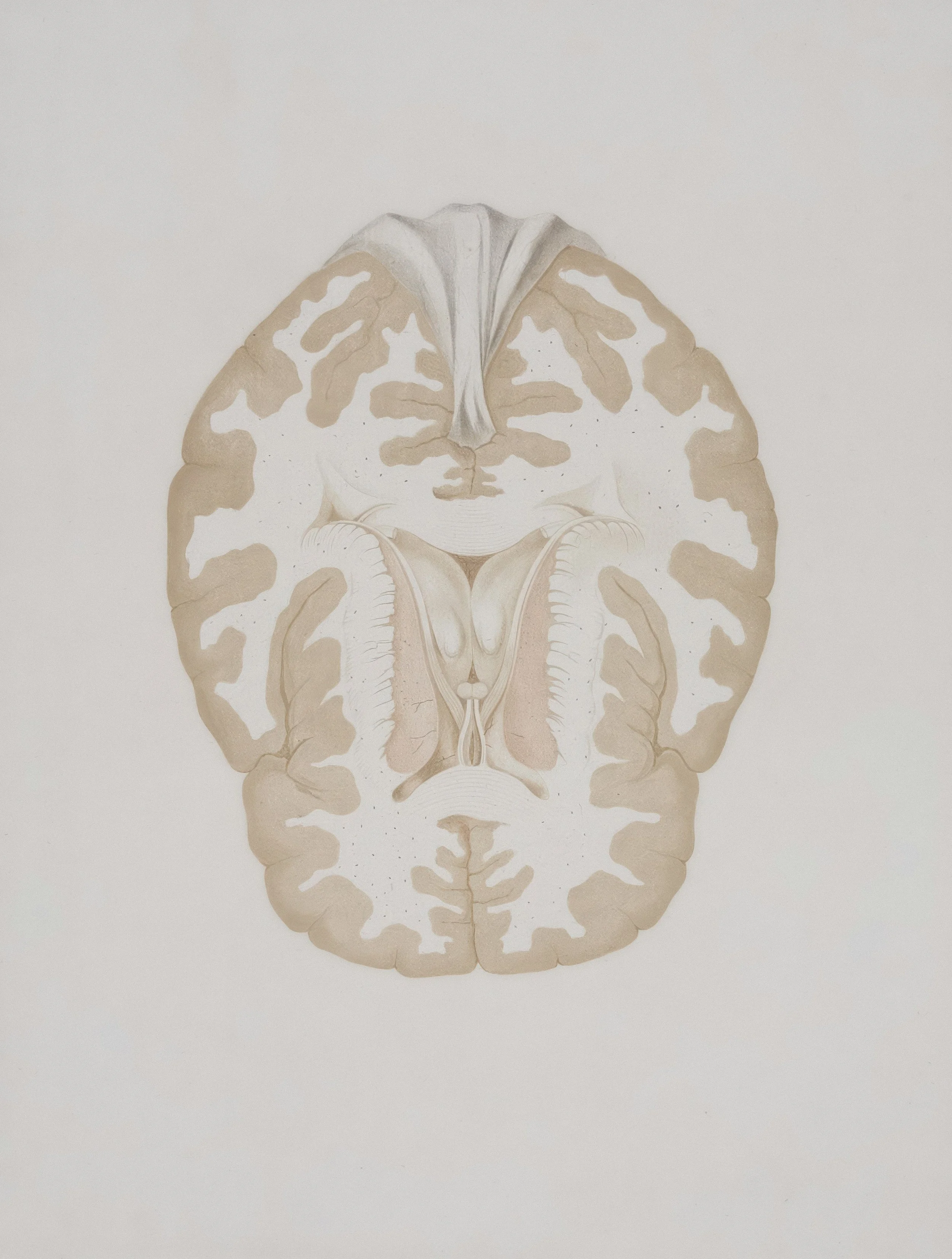
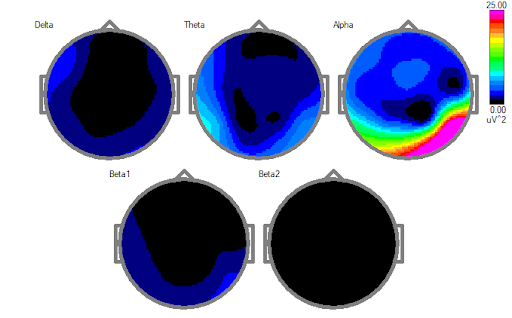
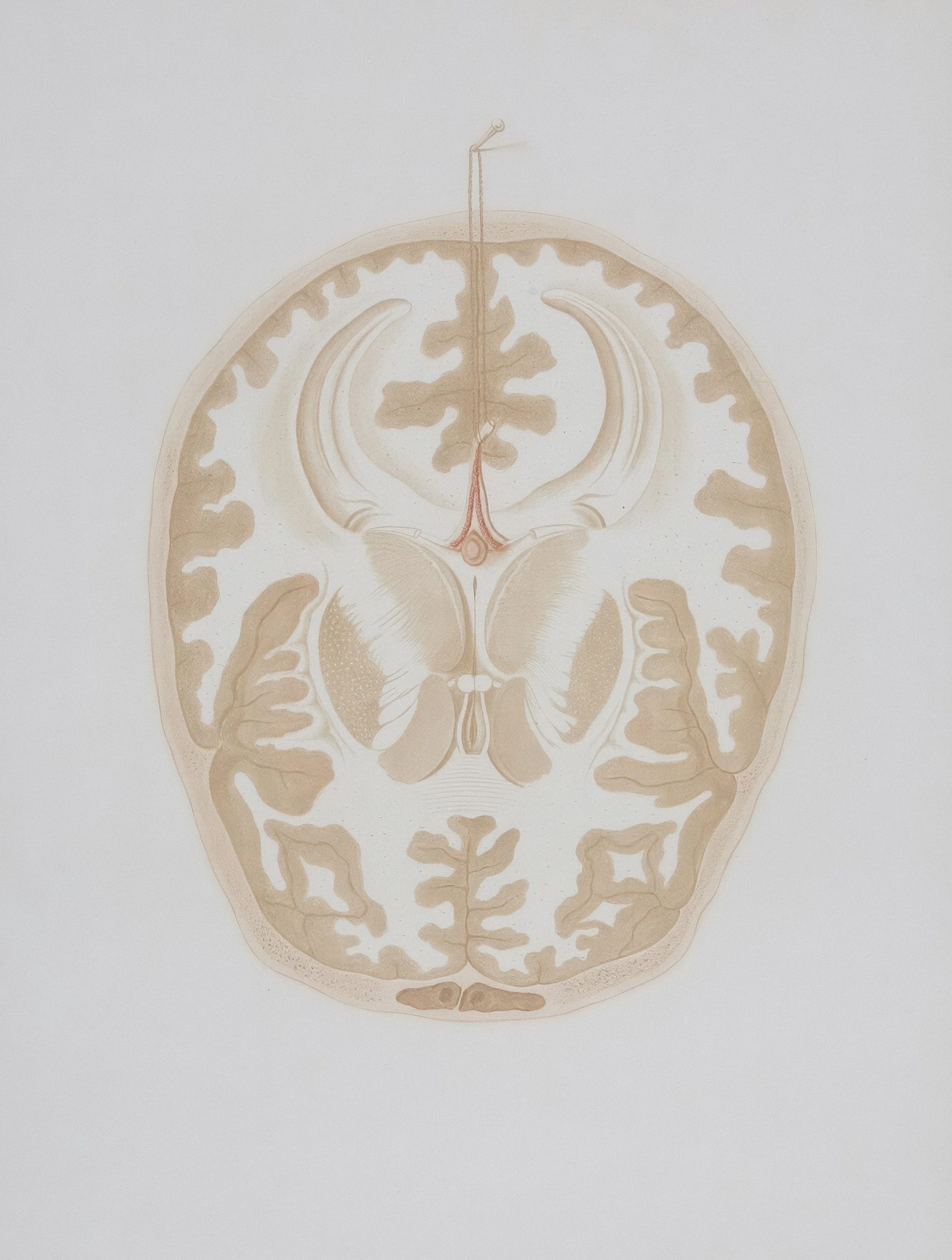
qEEG Brain Mapping is a non-invasive way to measure your brain’s electrical activity and create easy-to-read visual maps. These maps reveal how different brain regions communicate, highlight imbalances, and provide insight into focus, mood, stress, sleep, and overall cognitive performance. By understanding your brain’s unique patterns, qEEG helps guide neurofeedback, cognitive wellness, and personalized brain optimization.

How It Works
A cap with sensors and conductive paste is placed on the scalp. We then record the brain’s electrical signals with eyes opened and eyes closed for a total of 20 minutes. Using advanced software, these recordings are processed to analyze brainwave patterns, how brain regions communicate, identify areas that are overactive or underactive, and examine balance between networks.
Our Approach
We use a personalized approach to QEEG analysis by examining the unique fingerprint of your brainwave activity, not just how different it is from average, but what the pattern itself means. We provide an advanced interpretation of the raw EEG.
Using a research-based model, we categorize your brain functioning into one or more EEG phenotypes, or patterns that have been shown in scientific studies to correlate with certain clusters of symptoms or behavioral tendencies. Identifying these phenotypes can:
Help clarify underlying contributors to symptoms such as anxiety, inattention, mood instability, or cognitive inefficiency
Guide individualized lifestyle or behavioral changes that support healthier brain regulation
Provide useful information to your healthcare provider about which types of psychotropic medications may align best with your neurophysiological pattern
Assist in selecting targeted interventions such as neurofeedback protocols, mindfulness practices, sleep strategies, or nutritional approaches
Overall, this method offers a more nuanced and personalized understanding of your brain’s functioning, helping you and your care team make more informed decisions about treatment and self-regulation strategies.

Who Can Benefit from Biofeedback
Individuals looking to improve brain and nervous system health, specifically beneficial for cognitive enhancement, disorganized sleep states, mood dysregulation, chronic pain, concussion recovery, sensory processing and learning challenges.
QEEG brain mapping helps clinicians identify:
Areas of the brain with too little or too much activity
Medication classes that are most appropriate for your unique brain wave pattern
Supplement recommendations that are most appropriate for your unique brain wave patterns
Lifestyle recommendation based on your unique brain wave pattern
What To Expect
A comfortable sensor cap and conductive gel is placed on your scalp to measure your brain’s electrical activity. We record for a total of 20 minutes, both with eyes open and eyes closed, to capture a clear picture of your brain’s patterns. After the session, your data is analyzed and compiled into a detailed report, which takes about one week. At your follow-up appointment, we’ll review your results together and discuss a personalized plan to support your goals. After 15 neurofeedback training sessions, we repeat the brain map to evaluate your progress, identify areas of improvement, and fine-tune the plan.
Frequently Asked Questions
-
The set up and recording require about 45 minutes.
-
It does not provide a formal diagnosis but can identify abnormal patterns that may be associated with certain conditions.
-
It usually takes up to a week to analyze and create a report and customized plan.
let’s get started
Schedule a Free Consultation
If you’re ready to explore whether neurofeedback or integrative care is the right fit for you, we’re here to help. Schedule a consultation to discuss your goals, ask questions, and learn how a personalized approach can support your brain and overall well-being.